Tutorials
-

What is Content Security Policy?
Learn about Content Security Policy, its role in securing websites, preventing XSS attacks, and how to implement it effectively for better web security.
Learn More -
How Content Encoding Works and Why It Matters for Website Speed
Learn how content encoding works in HTTP, why it's critical for performance, and how to choose and test formats like gzip and Brotli.
Learn More -
What is Charles Proxy and How to Use it?
Learn how to use Charles Proxy for inspecting, modifying, and debugging web and mobile network traffic with step-by-step guidance.
Learn More -
What is Chunked Encoding
Learn what chunked encoding is, how it works in HTTP, and why it’s essential for streaming, dynamic content, and real-time data delivery.
Learn More -
How to Setup an Effective CI/CD Pipeline
Learn what a CI/CD pipeline is, how to implement it, and best practices to improve code quality and testing in modern software development.
Learn More -
Low-Code vs. No-Code: Differences, Benefits & How to Choose
Learn the key differences between low-code and no-code development, their benefits, and how to choose the right approach for your needs.
Learn More -
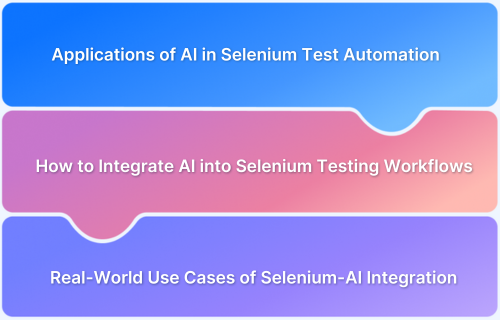
AI-Powered Selenium Automation
Learn how Selenium integrates with AI to enhance test automation, improve accuracy, and reduce manual effort.
Learn More -
Learn & bypass Content Security Policy HTTP Response Header
Learn how to bypass Content Security Policy (CSP) headers with techniques like Requestly for efficient testing and development.
Learn More -
How to Debug Protractor Tests for Selenium Test Automation?
Learn four different ways on how to debug Protractor tests and also migrating your Protractor tests to NightwatchJS
Learn More -
How to enable JavaScript in your Browser: A Detailed Guide
Explore how to enable JavaScript in different Browsers like Chrome, Firefox, Opera, and Microsoft Edge in this detailed guide with examples
Learn More